


Essential Safety Gear and Hygiene Practices for Elderly Care at Home
Caring for elderly loved ones at home involves many responsibilities, especially when it comes to personal care and basic cleaning. One of the most critical aspects often overlooked is the use of proper safety gear and hygiene practices. Wearing gloves, masks, covered footwear, and thorough hand washing are essential steps to protect both the caregiver and the elderly person from infections and injuries. This post explores why these precautions matter and how to implement them effectively.
Why Safety Gear Matters in Elderly Care
Elderly individuals often have weakened immune systems, making them more vulnerable to infections. Caregivers, on the other hand, face exposure to germs, bodily fluids, and cleaning chemicals. Using safety gear creates a barrier that reduces the risk of cross-contamination and injury.
Gloves protect hands from germs and harsh cleaning agents.
Masks prevent inhalation of dust, allergens, and airborne pathogens.
Covered footwear shields feet from spills, sharp objects, and slippery surfaces.
Hand washing removes germs that gloves and masks may not fully block.
Without these precautions, both parties risk infections such as respiratory illnesses, skin infections, and even more severe complications.
Choosing the Right Gloves for Personal Care and Cleaning
Not all gloves are the same. Selecting the right type depends on the task:
Disposable nitrile or latex gloves are ideal for personal care tasks like bathing, dressing wounds, or handling bodily fluids. They provide a tight fit and good tactile sensitivity.
Heavy-duty rubber gloves work well for cleaning tasks involving chemicals or scrubbing floors.
Change gloves between tasks to avoid transferring germs.
Inspect gloves for tears or holes before use.
Using gloves correctly means putting them on with clean hands and removing them without touching the outside surface.
The Role of Masks in Protecting Respiratory Health
Masks reduce the spread of airborne germs, especially during close contact activities such as feeding or assisting with breathing devices.
Use surgical masks or well-fitted cloth masks during personal care.
Replace masks if they become damp or soiled.
Avoid touching the mask while wearing it.
Dispose of single-use masks properly.
Masks also help protect caregivers from dust and fumes released during cleaning, which can irritate sensitive lungs.
Importance of Covered Footwear for Safety and Hygiene
Covered footwear is often underestimated but plays a vital role in home care safety.
Shoes with closed toes and non-slip soles prevent injuries from dropped objects or slippery floors.
They protect feet from exposure to cleaning chemicals or bodily fluids.
Avoid open sandals or slippers during care and cleaning tasks.
Keep footwear clean and dry to prevent fungal infections.
Proper footwear supports balance and reduces the risk of falls, which is crucial when moving around elderly individuals.
Hand Washing: The Most Effective Hygiene Practice
Hand washing remains the simplest and most effective way to prevent infection transmission.
Wash hands with soap and warm water for at least 20 seconds.
Focus on all parts of the hands: palms, backs, between fingers, and under nails.
Wash hands before and after wearing gloves, after removing masks, and after any contact with bodily fluids.
Use hand sanitizer with at least 60% alcohol if soap and water are unavailable, but do not replace hand washing entirely.
Regular hand washing protects both caregiver and elderly person by removing germs that gloves or masks might miss.
Practical Tips for Integrating Safety Gear into Daily Care
Incorporating these safety measures into daily routines can feel overwhelming at first. Here are some practical tips:
Prepare a care kit with gloves, masks, hand sanitizer, and disinfectant wipes in one place.
Set reminders to change gloves and wash hands frequently.
Educate all household members about the importance of these practices.
Use visual cues like signs near sinks or care areas to prompt hand washing.
Choose comfortable, breathable masks and gloves to encourage consistent use.
Consistency is key. Over time, these habits become second nature and significantly reduce health risks.
Cleaning Safely Around Elderly Individuals
At Okey Companion and Care Services, we prioritize maintaining cleanliness in the kitchen, bathroom, bedroom, and other living spaces. We ensure that bed sheets are changed and laundered regularly.
Basic home cleaning is essential to maintain a healthy environment but must be done carefully.
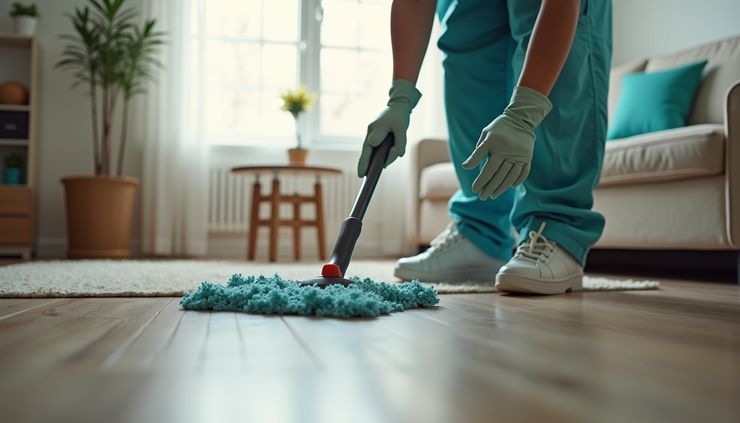
Wear gloves and masks while cleaning to avoid inhaling dust or chemicals.
Use mild, non-toxic cleaning products to reduce respiratory irritation.
Clean high-touch surfaces daily, such as doorknobs, light switches, and handrails.
Avoid strong sprays or aerosols near the elderly person.
Ensure floors are dry and free of clutter to prevent falls.
These steps help create a safer living space that supports the well-being of elderly residents.
Addressing Common Concerns About Safety Gear
Some caregivers worry that gloves and masks create barriers to personal connection or comfort.
Explain to the elderly person why these items are necessary for their safety.
Choose gloves and masks that fit well and feel comfortable.
Use gentle tone and eye contact to maintain warmth during care.
Take breaks if wearing masks for extended periods becomes uncomfortable.
Balancing safety with compassion ensures care remains effective and respectful.
Summary of Key Safety Practices
Always wear appropriate gloves for personal care and cleaning.
Use masks to protect against airborne germs and dust.
Wear covered, non-slip footwear to prevent injuries.
Wash hands thoroughly before and after care tasks.
Clean the home with safe products and proper protective gear.
Build routines that make safety gear use consistent and natural.
By following these steps, caregivers can protect themselves and their elderly loved ones from infections and accidents.


Comments